

Non Electric Pellet Stove
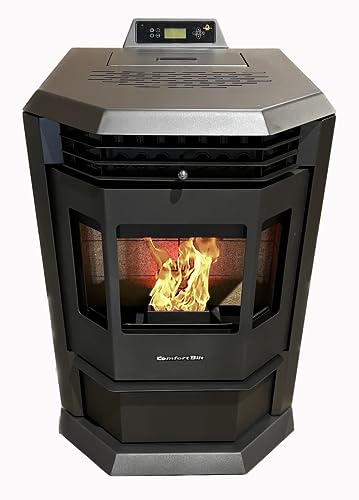
Non-electric pellet stoves are a great alternative to traditional wood-burning stoves. They provide heat to homes by burning wood pellets, a sustainable biomass fuel. They also provide an efficient heating choice.
Enclosed stoves allow combustion temperatures to reach a point of complete reaction, unlike open fires in open air. This also helps to control losses by convection and reduce smoke particles.
Easy to use
Non-electric stoves are less prone to fail than electric pellet stoves, which require electrical components. They can also provide heating without electricity, making them a great choice for homes in areas that are prone to power outages.
As with any other heating system the pellet stove needs regular cleaning and maintenance to keep it running smoothly. This is especially the case when you switch to a new kind of fuel. Different kinds of pellets burn differently and affect the effectiveness of your stove.
To ensure your stove is burning properly You should empty the ash pan and clean the glass window each week. Additionally, you should clean the vent and fan pipes at least once a month. These chores will help stop the accumulation of ash on your stove and help keep it operating efficiently.
The use of high-quality, dry pellets is a further key to maintaining a stove. Avoid buying low-quality or cheap Pellets, as they can cause clogs and create more Ash. Regularly clean the feed area, hopper, and the ash collector of your stove. This will help reduce the accumulation of ash and sawdust. Using a top-quality, ergonomic broom, whisk and dust pan make this task easier.
If you are thinking of buying a non electric pellet stove, read your owner's manual to find out more about the recommended cleaning and maintenance tasks. Keeping up with these chores will help your stove last longer and stay in good condition throughout the winter. It is essential to unplug the stove and let it cool before cleaning.
Low maintenance
Pellet stoves are a powerful heating solution that provides warmth and comfort during the winter months. They do require a minimal amount of maintenance to function effectively. These stoves are designed to burn natural wood pellets and other byproducts such as nutshells or corn kernels. This reduces the amount smoke that is released into your home. They can be utilized as a primary heat source or as a secondary source of heat in extreme temperatures. They can also vent directly out of the walls, which is perfect for homes without chimneys.
These stoves are excellent because they don't require electricity to run. This makes them an ideal choice for those who live in areas that experience frequent power outages. However, if you're planning on using your pellet stove during a power outage, it is important to have backup battery systems in place. This will ensure that you have enough time to shut off the stove and keep smoke from entering your home.
Pellet stoves aren't powered by electricity, but they still need to be regularly cleaned. This is especially relevant if you're using them as your primary source of heating. The frequency of cleaning depends on the type and quality of pellets that you choose to use. It is important to study the owner's manual for specific guidelines for cleaning and maintenance.
Daily maintenance involves wiping down the glass and hopper of the stove and examining the fire chamber and ash pan for obstructions. Clean the convection fan that circulates warm air through your home. It is important to utilize a non-abrasive cleaning solution that won't scratch glass. This can be done with a vinegar and water mixture or non-abrasive glass cleaner. To prevent rust and reduce the possibility of debris blocking the pellet feed system, the hopper and auger must be cleaned after each heating season. It is also essential to clean the combustion chamber and ducting system at least once each year.
Energy independence
Pellet stoves do not require electricity to operate, so they will still provide heat even in the event of an electrical failure. They are more efficient than wood stoves and consume less fuel. They are also more suited for urban homes because they consume less space than wood stoves. They might require more maintenance than other heating systems.
Non electric pellet stoves are a green sustainable alternative to traditional wood and gas stoves, since they run on biomass fuels that are derived from recycled wood processing waste. These fuels that are eco-friendly help reduce greenhouse gasses and promote a greener lifestyle. Additionally, these stoves are easy to install and use and have lower consumption than other types of heating systems.
A non-electric pellet stove uses fuel tanks to store and feed pellets into the combustion chamber. A motor-driven auger is used to feed the pellets into the burn pot at the appropriate rate to maintain the desired temperatures. The resulting gases are then released outside via an exhaust pipe. The heat then radiates through the air to keep the room warm and comfortable.
Unlike a wood burning stove, a non electric pellet stove doesn't require chimneys, but it should be placed away from any combustible materials. It also emits fewer pollutants and is a good choice for urban areas and those with limited space. The only disadvantage of a non-electric pellet stove is that they cannot be programmed to automatically turn on and off.
Gravity-fed non-electric pellet stoves can be a great option for emergency preparedness and cabins. They operate without electricity, and have a low amount of moving parts. This means that they are less costly to maintain and also noise. These stoves also have a smaller capacity for hoppers, therefore they'll need to be filled more frequently. These stoves are ideal for those who live in areas that are susceptible to power outages and want a backup system that is energy efficient. There are incentives available to help offset the cost of these stoves making them a viable option for those who wish to reduce their energy usage.
Installation is easy
A non-electric pellet stove is a great way to heat your house. It is a cost-effective option, and it works without electricity. This makes it perfect for power outages or emergencies. You can select from various kinds of pellet stoves depending on your heating needs. Certain models come with a blower fan that can distribute warm ac throughout your home. Certain models are made to work with ductwork and can be used with your existing furnace.
Installing a liner for your wood stove is required to install a pellet stove that is not electric. This is an insulated pipe which connects your chimney to the vent opening in the exterior of your house. It also has a vent cap that keeps out precipitation and debris. Once the liner is installed, you are able to install your stove and chimney insert.
You can purchase a non-electric pellet stove online or from your local hardware store. Before installing the stove ensure that the area where you plan to put it has at least 18 inches of space from the ceiling and 6 inches from any walls. If you're not sure the amount of space you need you should consult a professional. Install a fire-proof pad on the floor, where you intend to install your stove. This will protect your floors from sparks and sparks. It is made of stone or cement.
Follow the instructions given by the manufacturer if you plan to install your stove. Wear safety goggles and gloves to avoid any burns or injuries. It is also essential to verify your local building code to ensure that you meet all requirements. Ideally, you should hire a professional to install your stove. This will ensure a secure and efficient installation. mini pellet stove will also avoid any warranty issues later on.
A non-electric pellet stove has the added benefit of being able to vent directly to the outside. This makes it an ideal choice for small spaces. The stove doesn't require an auger or fan. These are problems that are common with traditional pellet stoves. This makes it easier for you to operate, maintain and clean.